Cat Hiding Behavior: When It's Normal And When It's Not
Author:Andy
Released:March 6, 2026
Cats are fascinating creatures, brimming with peculiarities that often amuse or perplex their owners. Among these traits is the tendency of felines to seek out hiding spots. Cat owners must grasp the significance of this behavior; understanding it can provide insights into a cat's emotional state and overall wellbeing. Hiding is not just a whimsical trait; it can suggest survival instincts or responses to Stress and environmental shifts.
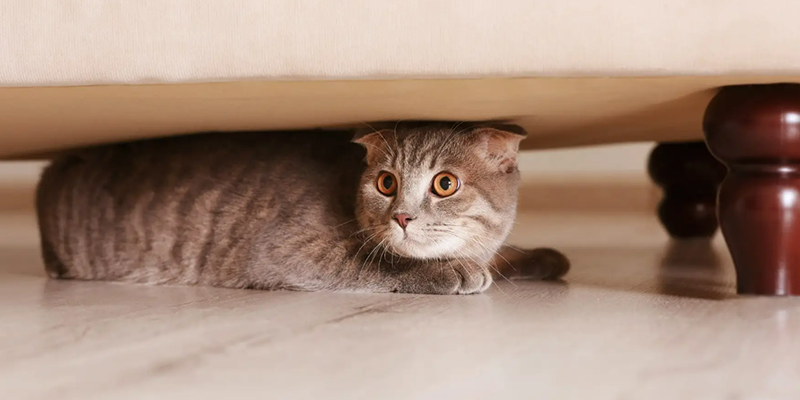
Various factors, including a cat's personality, past experiences, and changes in its routine, significantly affect when and why a cat chooses solitude. By interpreting the nuances of hiding behavior, owners can better meet their cats' needs, promoting a secure and harmonious living environment. Through this exploration, we will reveal the hidden layers behind this often-misunderstood aspect of cat behavior.
Understanding Your Cat's Hiding Instincts
Cats are natural survivors, molded by their dual roles as both predators and prey. This unique history cultivates a heightened instinct to seek out hiding places, a behavior that serves to ensure their safety across diverse environments. In the wild, cats often retreat to concealed spots to evade larger predators while also allowing them chances to stalk unsuspecting prey.
This instinct is profound and extends beyond wildcats; even domesticated felines exhibit similar tendencies influenced by their surroundings. When cats hide, they create a realm of security that minimizes their exposure to perceived threats.
When Hiding is Normal Behavior
Hiding is a natural behavior for cats and often serves as a coping mechanism in stressful or unfamiliar situations. Situations that might prompt this behavior include moving to a new home, where a cat may retreat to a quiet corner as they adjust to the changes in their environment. Similarly, during thunderstorms or fireworks, the overwhelming sounds can drive felines to seek refuge in confined spaces, such as under beds or in closets, where they feel safe and sheltered.
While some hiding is normal, owners need to differentiate between a relaxed cat and one that is anxious. A relaxed cat may curl up in a cozy spot, displaying calm body language—perhaps with its tail wrapped around itself or lightly twitching as it naps. Conversely, an anxious cat may show signs of distress, such as wide eyes, pin-back ears, or excessive grooming. If a cat consistently withdraws or neglects activities they once enjoyed, it may be time to take a closer look at their emotional state and provide the support they need.
For instance, when a new pet enters the household, some cats might hide initially to observe the new presence—this reaction is quite normal. However, if the hesitant cat remains hidden for weeks, showing no interest in socializing or eating, this could indicate deeper anxiety. Understanding these signals enables owners to create the environment and comfort that fosters a healthier, more secure setting for their feline companions.
When Hiding May Indicate Stress or Illness
While it is common for cats to seek refuge during stressful periods, excessive or worrisome hiding could signify underlying health issues or emotional distress. Here are key warning signs to watch for:
1. Changes in Hiding Spots: Sudden changes in your cat's usual hiding spots or an increase in hiding frequency could indicate discomfort or fear. For example, if your normally sociable cat retreats to a dark corner rather than their customary cozy nook, this shift might suggest something is amiss.
2. Duration of Hiding: While it is expected that cats enjoy a private hideaway, prolonged hiding—lasting more than a day or two—should raise concern. Cats are inherently social creatures, and if they evade interaction and remain isolated, it may point to Stress or health problems.
3. Behavioral Changes: In addition to hiding, other behavioral changes might signal trouble. Watch for changes such as appetite loss, where your cat refuses food or demonstrates notable shifts in eating habits. Lethargy, characterized by a lack of activity or reduced interest in play, can also suggest that your cat may be unwell.

A variety of common health issues can lead to excessive hiding behavior. Conditions such as dental disease, infections, or pain can prompt your cat to seek solitude. Stressors in their environment—such as the arrival of new pets or changes in household routines—can trigger this instinct. Should you observe a combination of these warning signs, consulting a veterinarian is critical to address potential h health issues promptly
Helping Cats That Hide Too Much
While cats are known for their love of cozy hideouts, excessive hiding can be a sign of Stress or anxiety. As a compassionate cat owner, there are actionable steps you can take to help your feline friend feel secure and comfortable in their surroundings.
Create A Safe Space
Begin by dedicating a specific area in your home as a peaceful retreat for your cat. Opt for a quiet corner and equip it with a soft bed, blankets, and familiar toys. Incorporating vertical spaces,, such as shelves or cat trees,, can also provide them with an escape route while keeping them part of household activity. This sanctuary will encourage your cat to emerge when they feel ready, fostering a sense of safety and stability.
Introduce Slowly And With Patience
When welcoming new items into the home or introducing your cat to unfamiliar people, permit your cat to engage with the new situation at their own pace. For example, during introductions, observe their body language and let them take the initiative for contact. Gradually exposing your cat to new environments while reducing overwhelming stimuli can help bolster their confidence and minimize the impulse to retreat.
Knowing When To Seek Help
If your cat's hiding behavior persists or is accompanied by signs such as loss of appetite, changes in grooming, or unusual vocalizations, it is vital to consult a veterinarian. These might be indicators of underlying health issues or profound psychological distress necessitating professional intervention.
By establishing a secure space, exercising patience with introductions, and recognizing the right moment to seek professional help, you can facilitate a happier, more confident cat companion.
Observing for Better Understanding
Awareness of both normal and concerning hiding behavior in cats is fundamental to responsible pet ownership. Understanding these aspects can create a healthier environment for our feline friends. Always observe your cat's behavior closely to ensure their wellbeing and comfort.
Related Posts

So, Does Your Cat Actually Hate You? (Probably Not, Here's Why)

Not Bad Luck, Just Beautiful: 10 Black Cat Breeds You Should Know

Dog Ear Cleaning: A Simple Guide for Healthy Pets

Is It Time to Upgrade Your Cat Litter? Modern Innovations for Cats

Pet-Friendly Dining: Finding Best Outdoor Patios For Dogs